Winter brings plenty of enjoyable things, like cozy sweaters, hot chocolate, and holiday gatherings. However, it also brings a significant threat to your home in the form of freezing temperatures. When the thermometer drops, your plumbing system faces its biggest challenge of the year. Water expands as it freezes, and this expansion creates tremendous pressure inside your pipes. No matter how strong the metal or plastic might be, that expanding ice can cause pipes to crack or burst, leading to catastrophic water damage and expensive repair bills.
Most homeowners do not realize their plumbing is at risk until it is too late. You might wake up one morning to find no water coming out of the tap, or worse, come home to a flooded basement. The good news is that with a little foresight and preparation, you can safeguard your home against this chilly adversary. Electric Drain & Sewer Rooter specializes in helping homeowners navigate these winter challenges. Their experts know that prevention is always more affordable and less stressful than emergency repairs. By following a few straightforward strategies, you can keep your water flowing freely all season long.
Insulate Your Exposed Piping
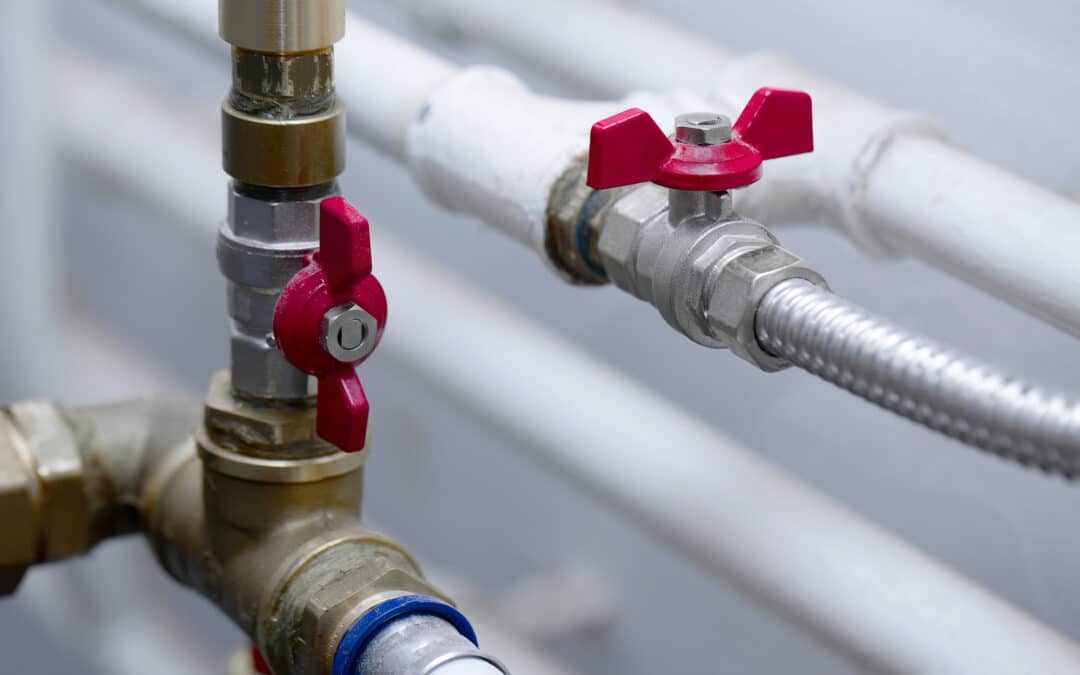
One of the most effective ways to protect your plumbing is to give it a winter coat. Pipes located in unheated areas of your home are the most vulnerable to freezing. You should pay special attention to plumbing that runs through attics, basements, garages, and crawl spaces. These areas often lack the insulation found in the rest of the house, meaning the temperature there can drop rapidly when the weather turns severe. If a pipe in one of these zones freezes, it can easily burst and cause significant structural damage to your home.
You can purchase pipe insulation sleeves from most hardware stores. These are typically made of foam or rubber and are designed to slip easily over your existing pipes. It is a relatively simple DIY project that offers a high return on investment. For areas that get exceptionally cold, or for pipes that have frozen in the past, you might want to consider heat tape. This is an electrical cable that wraps around the pipe and provides direct heat to keep the water inside from turning to ice. If you are unsure which pipes need the most attention or how to properly install these protective measures, the team at Electric Drain & Sewer Rooter can assess your home and recommend the best insulation strategy for your specific layout.
Keep the Water Moving

A simple law of physics can be your best friend during a deep freeze. Moving water is much harder to freeze than standing water. When the forecast predicts extreme cold, specifically temperatures dipping well below freezing, you should allow a few faucets in your home to drip. You do not need a steady stream; a slow, consistent drip is usually enough to keep the water molecules in motion and prevent ice from forming.
This technique serves a dual purpose. It keeps the water moving, but it also relieves pressure within the system. If a blockage of ice does begin to form, the open faucet provides an escape route for the pressure building up behind the ice. This pressure relief is often what saves a pipe from actually bursting. You should focus on faucets that are supplied by exposed pipes or those located on exterior walls, as these are the most susceptible to the cold. While it might feel counterintuitive to waste water, the cost of a few gallons is negligible compared to the cost of repairing a burst pipe and cleaning up water damage.
Maintain a Consistent Thermostat Setting
Many homeowners try to save on heating costs by lowering the thermostat drastically at night or when they leave for work. While this might lower your energy bill slightly, it increases the risk of frozen pipes during severe cold snaps. When the temperature inside your home fluctuates, the temperature inside your walls drops as well. The plumbing hidden behind your drywall relies on the ambient heat of your home to stay warm.
The experts at Electric Drain & Sewer Rooter suggest keeping your thermostat set to the same temperature both during the day and at night when outside temperatures are plummeting. By maintaining a constant indoor temperature, you ensure that heat is consistently circulating to all areas of the house, including those hidden wall cavities where pipes live. If you plan to go away for a winter vacation, never turn your heat completely off. You should leave the thermostat set to at least 55 degrees Fahrenheit. This provides a safety buffer that keeps the interior of the home warm enough to prevent the plumbing from freezing while you are enjoying your time away.
Disconnect and Drain Outdoor Hoses
Garden hoses are often the most overlooked aspect of winter plumbing preparation. If you leave a hose connected to an outdoor spigot, even a “frost-free” one, you are inviting trouble. Water can remain trapped inside the hose, and as that water freezes, it expands back into the spigot and the pipe inside your wall. This pressure can cause the pipe to split inside the house, leading to a leak that you might not discover until you turn the hose on in the spring or when the ice thaws and water starts flooding your wall cavity.
The process is simple but crucial. You need to disconnect all garden hoses, drain the water out of them, and store them in a shed or garage for the winter. Once the hoses are removed, you should also shut off the water supply to the outdoor spigots if your home is equipped with interior shut-off valves. After closing the interior valve, open the outdoor spigot to drain any remaining water from the line. If your home does not have interior shut-off valves, installing insulated faucet covers on your outdoor spigots adds an extra layer of protection against the biting cold.
Let Warm Air Circulate Under Sinks
professional plumbing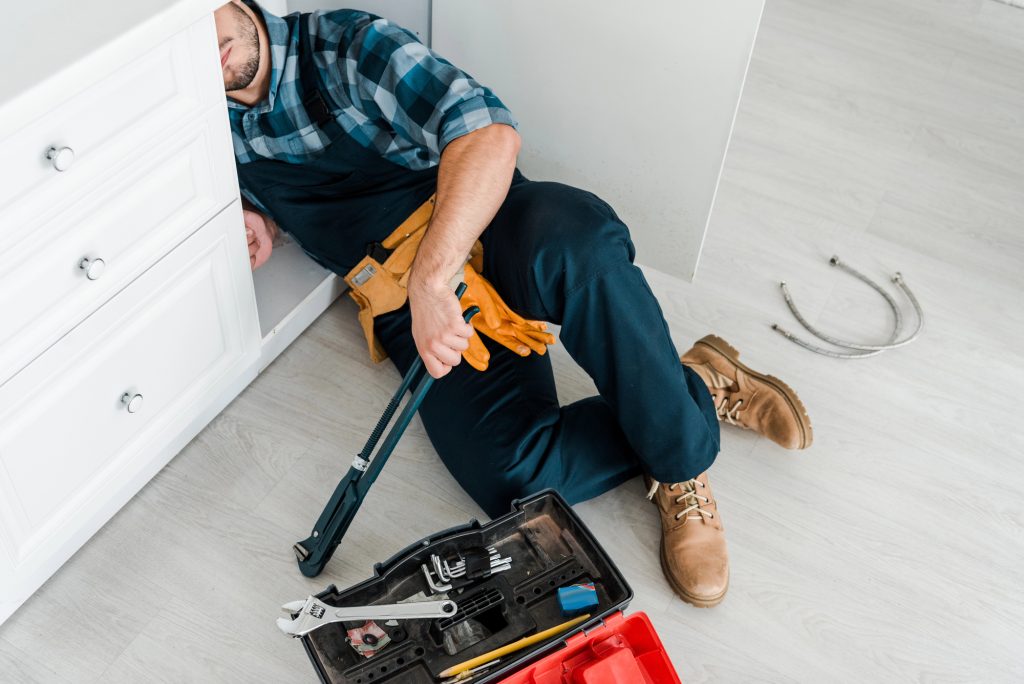
Plumbing fixtures in the kitchen and bathroom are often located against exterior walls. This placement puts them at a disadvantage because they are closer to the cold outdoor air and are insulated from the warm indoor air by cabinet doors. When the temperature drops significantly, the air inside the cabinet can become much colder than the rest of the room, creating a mini-freezer environment right around your pipes.
You can combat this by simply opening the cabinet doors under your kitchen and bathroom sinks. This allows the warmer air from your living space to circulate around the pipes. It is a small adjustment that helps equalize the temperature and keeps the plumbing warm. If you have children or pets, you will need to be mindful of any cleaning chemicals stored under the sink, moving them to a safer location while the doors are open. This simple trick, combined with maintaining a consistent thermostat temperature, significantly lowers the chance of ice forming in these vulnerable lines.
Protect Your Home This Winter
Taking the time to prepare your plumbing for winter is one of the smartest things you can do as a homeowner. Frozen pipes are more than just an inconvenience; they are a major financial risk that can cause extensive damage to your property. By insulating pipes, managing your heating, and being mindful of water circulation, you can relax and enjoy the winter season without worrying about what is happening inside your walls.
However, even the best-laid plans can sometimes fail against Mother Nature. If you suspect a pipe has frozen, or if you are unfortunate enough to experience a burst pipe, you need professional help immediately. Attempting to thaw pipes yourself with open flames or improper tools can lead to fires or further damage. Electric Drain & Sewer Rooter is ready to assist you with winterizing advice or emergency repairs. Their team has the experience and tools to handle any cold-weather plumbing issue safely and effectively, ensuring your home stays warm and dry all winter long. Reach out today by calling (801) 266-8041!