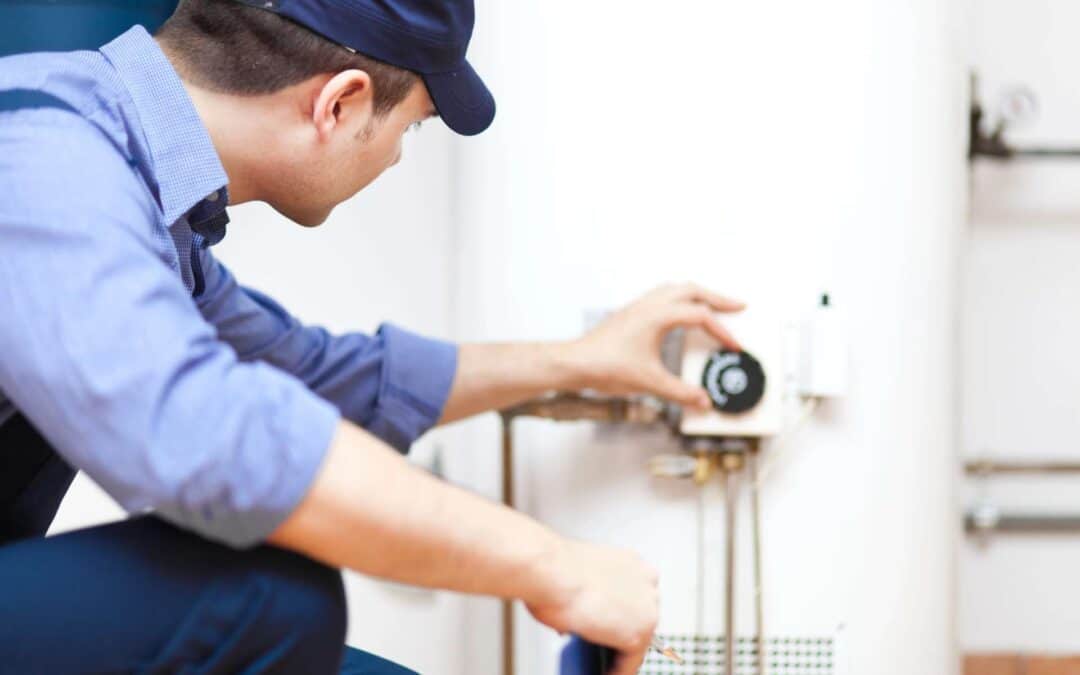
There are few things more jarring than stepping into a shower on a freezing winter morning, expecting a comforting stream of hot steam, only to be met with a blast of ice-cold water. It is the kind of shock that ruins your day before it has even properly begun. We rely heavily on our home’s plumbing systems year-round, but during the coldest months, our dependence on reliable hot water skyrockets. We need it for sanitizing dishes, washing clothes, and keeping ourselves warm and clean.
Despite being the unsung hero of the household, the water heater often goes ignored until something goes wrong. Winter brings a specific set of challenges that can push an aging or neglected unit to its breaking point. Understanding why the cold season is so tough on your equipment—and taking proactive steps to care for it—is essential for avoiding disruptions. With a little attention and the right professional help, you can ensure your tap runs hot all season long.
The Science Behind the Winter Strain
You might wonder why your water heater seems more prone to failure when the temperature drops outside. The unit sits in your basement or utility closet, which is indoors, so the outdoor weather should not matter, right? Unfortunately, that is not the case. The water entering your home travels through pipes buried underground. In the summer, the ground is warm, and the water enters your tank at a mild temperature. Your heater only has to work a little bit to bring that water up to your desired 120 degrees or so.
In winter, the ground freezes or gets significantly colder. The water entering your home can be near freezing temperatures. This means your water heater has to work nearly twice as hard to bridge the temperature gap. This increased workload puts immense strain on the heating elements in electric models and the burner in gas models. If the unit is already teetering on the edge of failure, this extra demand is often what pushes it over the edge. Regular water heater maintenance becomes the only defense against this seasonal stress test.
Sediment Buildup Causes Major Efficiency Drops
Plumber fixing an hot-water heater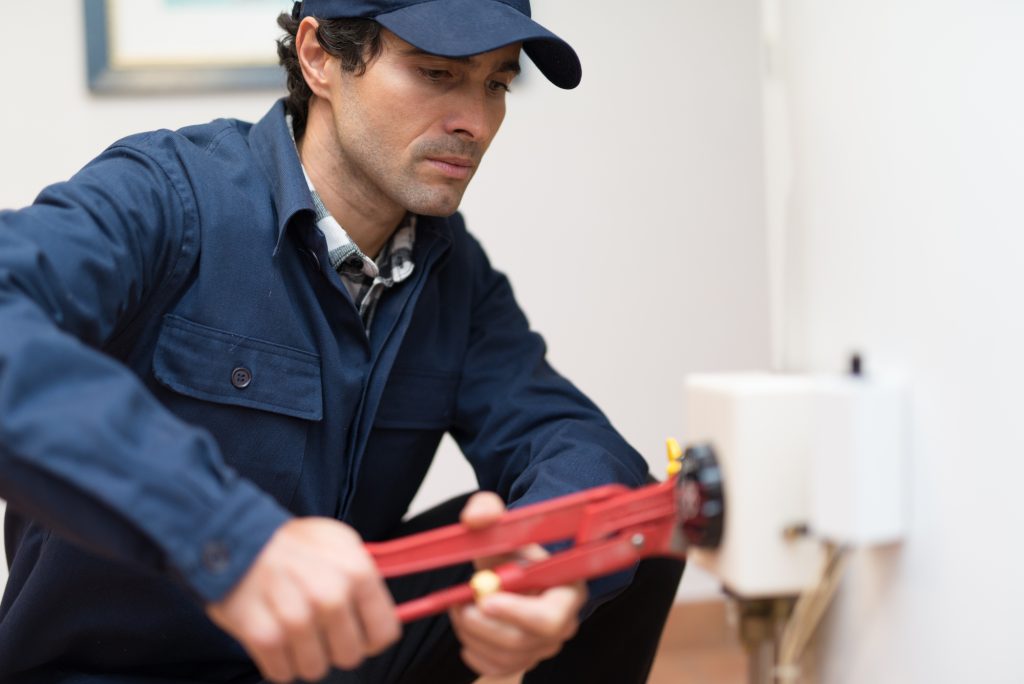
Over the course of a year, naturally occurring minerals in your water supply, such as calcium and magnesium, settle at the bottom of your water heater tank. This is particularly common in areas with hard water. As this sediment accumulates, it forms a layer of crust at the bottom of the tank. In gas water heaters, the burner is at the bottom. When that layer of sediment thickens, the burner has to heat the sediment before it can heat the water.
This creates a barrier that slows down heat transfer and causes the tank to overheat, which can weaken the steel and eventually lead to leaks. In electric heaters, sediment can bury the lower heating element, causing it to burn out. During winter, when the heater is already running longer cycles to heat the colder inlet water, sediment acts like a parking brake on your efficiency. You might hear popping, banging, or rumbling noises coming from the tank. That is the sound of steam bubbles trapped under the sediment escaping. It is a clear cry for help from your appliance.
The Role of Professional Maintenance
While flushing a tank is theoretically something a homeowner can do, it can be a messy and potentially dangerous task if you are not familiar with the pressure and scalding hazards involved. This is where a trusted partner like Electric Drain & Sewer Rooter becomes invaluable. Their team understands the intricate mechanics of residential water heating systems. They can professionally flush the tank to remove that efficiency-killing sediment without creating a flood in your basement.
Beyond just flushing the tank, professional technicians can inspect the anode rod. This is a crucial component often called the “sacrificial rod” because its sole job is to rust so that your tank does not. Once the anode rod is completely corroded, the corrosive elements in the water will begin attacking the steel of the tank itself. Having the experts at Electric Drain & Sewer Rooter check and replace this rod can effectively double the lifespan of your unit. It is a small investment in maintenance that prevents the massive headache of a burst tank in the middle of January.
Insulation and Heat Loss
If your water heater is located in an unheated basement or a garage, the ambient temperature around the tank drops significantly in winter. Even though modern tanks are insulated, they still lose heat to the surrounding air. This is called standby heat loss. The colder the room, the faster the water inside the tank cools down, forcing the unit to turn on and reheat the water even when you aren’t using it.
You can mitigate this issue by adding a fiberglass insulation blanket to your water heater tank. However, installing these blankets requires care. You must ensure you do not block the airflow to the burner intake or the draft hood on gas models, and you need to leave the access panels exposed on electric models. This is another area where the guidance of Electric Drain & Sewer Rooter is helpful. They can advise on whether your specific unit allows for an insulation blanket and install it correctly to ensure safety while maximizing energy retention.
Safety Checks for the Pressure Relief Valve
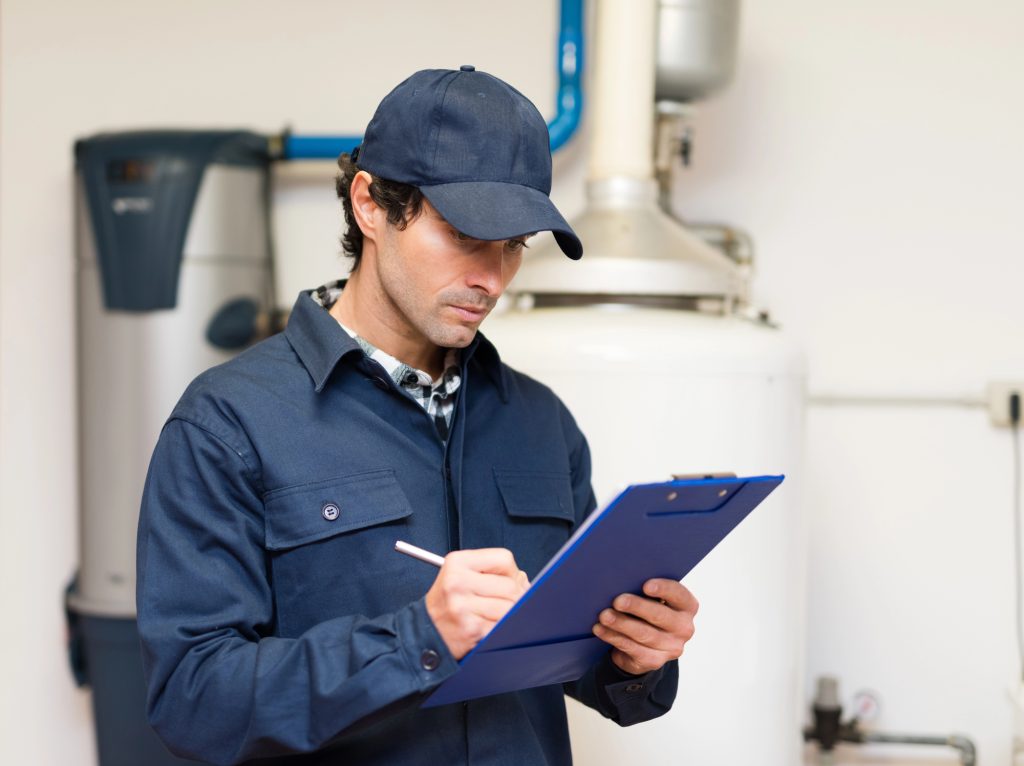
Every water heater is equipped with a temperature and pressure relief valve. This is a critical safety feature designed to open if the pressure or temperature inside the tank gets too high, preventing the tank from exploding. In winter, with the heater working overtime, internal pressures can fluctuate more than usual. If this valve is seized shut due to corrosion or lack of use, it poses a serious safety risk to your home.
Part of a comprehensive water heater maintenance routine involves testing this valve to ensure it opens freely and snaps back shut to form a tight seal. A dripping valve indicates a problem, but a valve that won’t move at all is a disaster waiting to happen. During a maintenance visit, a professional can test this mechanism to ensure your family is safe, giving you peace of mind while the heater works hard through the chilly nights.
Why Proactive Care Saves Money
It is easy to view maintenance as an optional expense, but ignoring your water heater usually costs more in the long run. An inefficient heater with sediment buildup and no insulation will drive your energy bills up significantly during the winter months. You end up paying for energy that is wasted heating the basement air or struggling through a layer of mineral deposits.
Furthermore, the cost of emergency plumbing repairs is almost always higher than scheduled maintenance. Waking up to a flooded basement because a neglected tank finally rusted through is not just an inconvenience; it is a financial blow that involves water damage restoration and emergency replacement costs. By partnering with Electric Drain & Sewer Rooter for seasonal check-ups, you are essentially purchasing insurance for your comfort and your wallet. They help you catch small issues, like a worn-out part or a minor leak, before they catastrophic failures.
Keep the Warmth Flowing
Winter is a time for cozying up indoors, and a reliable supply of hot water is central to that comfort. Your water heater works tirelessly behind the scenes, battling freezing inlet temperatures and increased demand. It deserves a little extra attention to ensure it can keep up with the pace. By understanding the strain the season places on your system and addressing issues like sediment and insulation, you protect one of your home’s most vital assets.
Do not wait for the water to run cold before you take action. Reach out to the professionals at Electric Drain & Sewer Rooter by calling (801) 266-8041 to schedule your winter maintenance. Their expertise ensures that your system runs efficiently and safely, letting you enjoy those hot showers without worry. Taking care of your water heater now means it will take care of you all winter long.