Plumbing emergencies don’t come with warning labels. One moment you’re cozy in your home and the next you’re ankle deep in water trying to imagine the hit to your wallet. When an important water line breaks or a backed up sewer line starts gushing sewage onto your property, it’s time to call in the professionals at Electric Drain & Sewer Rooter. But you can prevent and temporarily fix many common plumbing problems using a little knowledge and the right attitude.
Knowing the basics of plumbing maintenance saves you hundreds of dollars in emergency call fees, stops small problems before they turn into major disasters and increases the lifespan of your home’s plumbing system. Use these basic plumbing tips to keep your home’s plumbing running smoothly.
Locate Your Water Main and How to Shut It Off
It’s great if you’re one of those homeowners who can tell you the exact location of your water main shutoff valve. Knowing where to shut off the water supply to your home is one of the most important pieces of information to know. Without it, you may be left with severe water damage to your home during a plumbing emergency. The main water shutoff is usually found where the water line enters the home and is typically located in the basement, crawl space or near the water heater.
Turning off the main water valve in your home should be done immediately when a plumbing emergency occurs. Shutting off the water supply gives you time to turn off any appliances that are on and take stock of the problem. Practicing now, while there’s no crisis, will help you in the event you need to shut it off quickly. Turn the handle on most valves clockwise to shut off. Newer ball valves may only need a quarter turn to close.
Our technicians at Electric Drain & Sewer Rooter often see less property damage from homeowners that were able to shut off the water in the event of an emergency than those who could not find their main valve.
Stop Drain Clogs Before They Happen

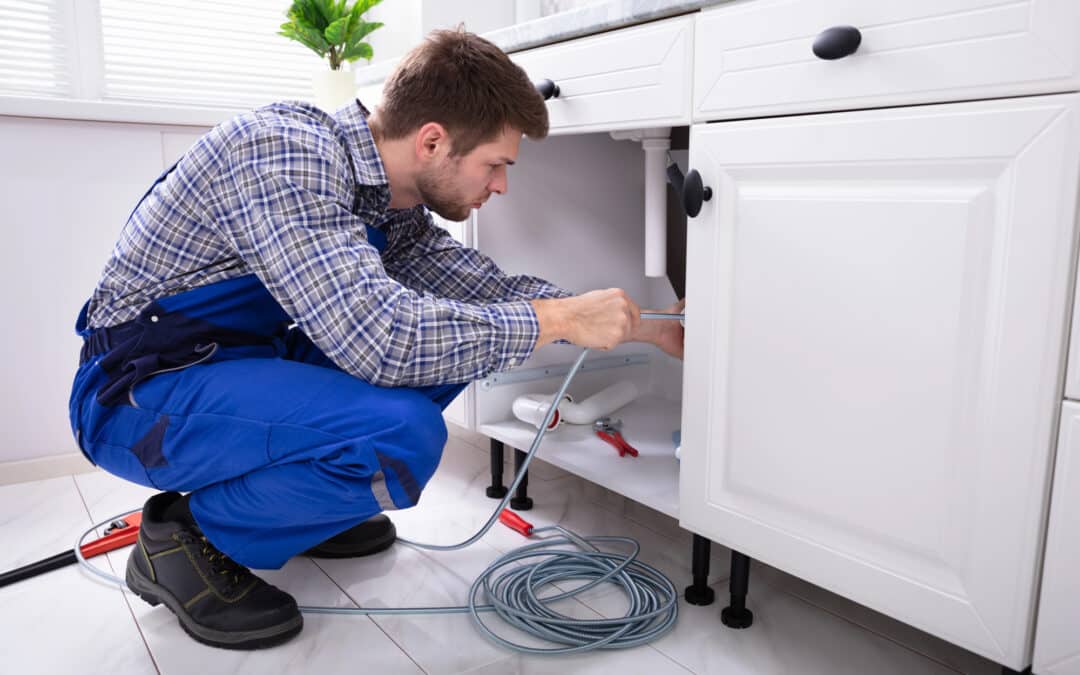
clogged drain
Clogged drains are some of the most common household plumbing problems but they’re also preventable. Kitchen sinks take a daily beating from grease, food particles, and soap residue that build up over time and cause stubborn clogs.
Never pour cooking grease or oil down your kitchen sink. The grease will solidify as it cools and mix with other debris to create a clog that’s nearly impossible to remove. Instead, save grease in a disposable container and throw it in the trash can once it hardens. Always run your garbage disposal for several seconds with the hot water running to ensure any debris is flushed through your plumbing system.
The best ways to keep bathroom drains clear is a little different. Hair and soap scum clog bathroom drains when the hair isn’t stopped before it goes down the drain. Place a screen over your shower and bathroom sinks to catch hair before it enters the drains. Clean these screens regularly so hair doesn’t build up and impede drainage.
Get Familiar With Toilet Maintenance
Toilet problems can be annoying or embarrassing but many common toilet issues have easy fixes. A running toilet wastes thousands of gallons of water and creates constant noise but most solutions involve adjusting or replacing a worn flapper valve inside the toilet tank.
Remove the toilet tank lid and look for the internal mechanism. If water is still running when the toilet is not in use, check to see if the flapper is properly covering the drain seat at the bottom of the tank. Mineral deposits, such as lime scale, or a warped flapper will not seat properly and will cause the water to continuously leak. Flapper valves are inexpensive and easy to replace.
A low water pressure problem in your toilet can also be an indication of a clogged rim jet or mineral buildup around the bowl rim. A clogged rim jet should be visible by checking the underside of the toilet rim with a mirror. Clean clogs from the jet with a coat hanger or small piece of wire. Mineral buildup around the toilet rim can be dissolved with white vinegar and then scrubbed off with a toilet brush.
When To Call a Plumber

salt lake plumbing inspection
Every homeowner needs to know when to call a professional plumber. While these plumbing tips cover the basics of common household plumbing problems, some issues call for professional experience and tools. Trying to fix plumbing issues beyond your DIY skill level is a recipe for disaster and can turn a repair into a major home renovation project.
Call a professional plumber for problems with your main sewer line or if your water heater needs replacement. If you smell gas from your water heater or sewage odors inside your home, shut off the utilities and call a professional plumber immediately.
It’s also time to call a professional plumber if your DIY solution doesn’t work or if the same issue continues to happen. Electric Drain & Sewer Rooter’s experienced professionals use specialized equipment that can locate problems that can’t be found by the untrained homeowner and offer permanent solutions.
Be Proactive and Maintain Your Home
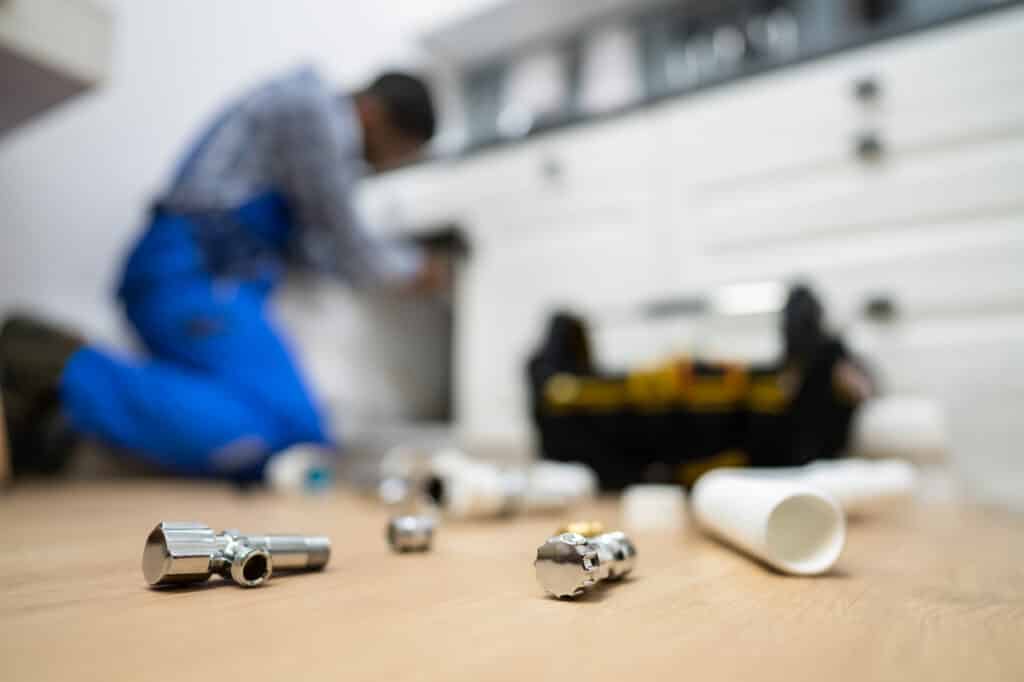
home plumbing maintenance
Have a professional plumber inspect your home’s plumbing system annually to look for potential problems before they become serious. Electric Drain & Sewer Rooter can identify patterns of wear, mineral buildup and other problems that develop gradually over time. Call Electric Rooter at (801) 266-8041 for any questions.
Preventive maintenance is far cheaper than emergency repairs and gives you peace of mind in knowing your plumbing is running efficiently. These basic plumbing tips are the first step to becoming a responsible homeowner but know that even experienced DIYers need professional plumbers for complex problems.