
Hard water in Utah contains high concentrations of calcium and magnesium that build up inside pipes, water heaters, and fixtures over time. This mineral buildup, called limescale, restricts water flow, reduces appliance efficiency, and can eventually lead to costly leaks or pipe failure. Electric Drain & Sewer Rooter recommends routine inspections and water softening solutions to protect Utah homes from long-term damage.
Utah sits in one of the hardest water regions in the country, and most homeowners don’t realize the toll it takes until they’re facing a plumbing emergency. The minerals dissolved in your water supply don’t just affect how your soap lathers or how your dishes look after a wash cycle. They quietly accumulate inside your pipes, water heater, and fixtures, year after year, until something finally gives out.
If you’ve lived in Utah for any length of time, you’ve probably noticed the telltale white, chalky residue on your showerhead or faucets. That’s hard water doing its work. The good news is that understanding how hard water affects plumbing gives you the power to catch problems early, extend the life of your system, and avoid the kind of surprise repair bills that drain your budget. This guide breaks down exactly what’s happening inside your pipes, the warning signs to watch for, and what Electric Drain & Sewer Rooter suggests for keeping your plumbing system healthy despite Utah’s mineral-rich water supply.
Why Is Utah’s Water So Hard in the First Place?
Utah’s geology is largely responsible for its notoriously hard water. The state sits atop limestone and dolomite deposits, and as groundwater moves through these formations, it picks up calcium and magnesium carbonate. By the time that water reaches your tap, it’s carrying a mineral load far above the national average.
Water hardness is typically measured in grains per gallon (GPG), and much of Utah falls into the “very hard” category, often exceeding 10 GPG. Salt Lake City, Provo, and surrounding communities along the Wasatch Front are particularly affected due to their proximity to these mineral-heavy water sources. For homeowners, this means the effects of hard water aren’t a rare inconvenience. They’re a near-constant pressure on your plumbing system.
How Does Hard Water Damage Pipes and Fixtures Over Time?
hard water on tap
Every time hard water flows through your plumbing, it leaves behind trace amounts of calcium and magnesium. These minerals don’t just wash away. Instead, they bond to the interior surfaces of pipes, forming a hard, chalky layer known as limescale.
At first, this buildup is barely noticeable. But limescale accumulates gradually, narrowing the internal diameter of your pipes much like plaque narrows an artery. As the passageway shrinks, water pressure drops, and your fixtures have to work harder to deliver the same flow you once took for granted. Left unaddressed, this buildup can eventually block pipes entirely, forcing water to find weaker points in the system and increasing the risk of leaks or bursts.
Fixtures take a beating too. Faucet aerators, showerheads, and valve components are especially vulnerable because of their small openings, which clog more easily than wide pipes. Electric Drain & Sewer Rooter frequently sees homeowners dealing with reduced shower pressure or dripping faucets that trace back entirely to mineral buildup rather than mechanical failure.
What Happens to Water Heaters in Hard Water Areas?
Your water heater might be the single hardest-working appliance affected by Utah’s water hardness. As water heats, dissolved minerals become even less soluble and settle out faster, collecting as sediment at the bottom of the tank. Over time, this sediment layer acts as an insulating barrier between the heating element and the water itself.
The result is a water heater that has to burn more energy to reach the same temperature, which drives up utility bills and shortens the appliance’s lifespan. In tankless water heaters, which have become increasingly popular in Utah homes, mineral scale can coat the narrow heat exchanger passages, reducing efficiency even faster than in traditional tank models. According to the U.S. Department of Energy, sediment buildup from hard water can reduce a water heater’s efficiency and significantly shorten its operational life if left unaddressed.
If you’ve noticed your water heater making popping or rumbling sounds, that’s often sediment shifting and trapping steam bubbles as it heats. This is one of the clearest early indicators that hard water is affecting your system, and it’s a signal worth acting on before the tank sustains permanent damage.
What Are the Warning Signs of Hard Water Damage in Your Home?
low water pressure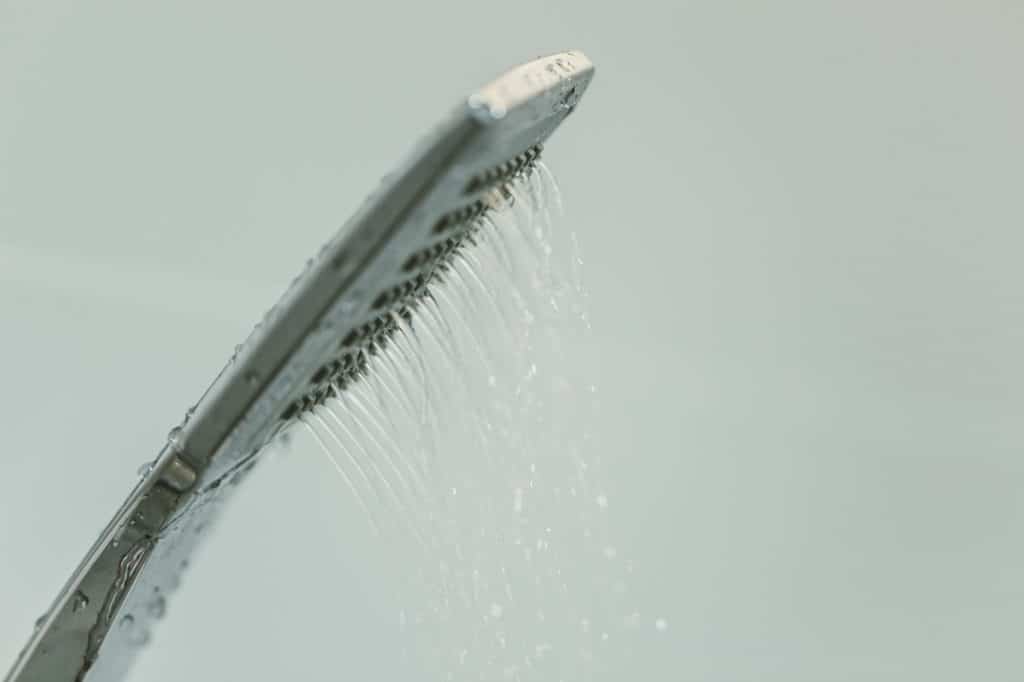
Hard water damage tends to announce itself gradually rather than all at once, which is part of why it’s so often ignored until a bigger issue develops. Reduced water pressure throughout the home is one of the earliest and most common symptoms, caused by mineral deposits narrowing pipe diameters. Spotting or filming on dishes and glassware, even immediately after washing, points to high mineral content in your water supply.
Many homeowners also notice their skin feeling dry or their hair feeling dull after showering, both common effects of hard water interacting with soap and shampoo. Appliances like dishwashers and washing machines may show visible scale buildup around seals and interior components, and they often fail years before their expected lifespan. Perhaps most telling is when a plumber identifies limescale during an inspection of exposed pipework, confirming that the same buildup is likely occurring throughout the hidden sections of your plumbing system.
Choose to schedule a professional inspection if you notice two or more of these signs appearing together, since that combination usually indicates the mineral buildup has progressed well beyond the surface level.
How Can Utah Homeowners Protect Their Plumbing From Hard Water?
The most effective long-term solution is installing a whole-house water softener, which uses an ion exchange process to remove calcium and magnesium before water enters your plumbing system. This single step prevents new limescale from forming and allows existing systems to function as intended without the added mineral strain.
For homeowners who aren’t ready to invest in a full softening system, regular flushing of the water heater tank helps clear sediment before it hardens into a thick, insulating layer. Electric Drain & Sewer Rooter recommends this maintenance task roughly once a year for standard tank water heaters, though homes with particularly hard water may benefit from more frequent service. Replacing faucet aerators and showerheads periodically also helps, since these small components are the first to clog and the cheapest to swap out.
Choose professional descaling services if your pipes show signs of significant internal buildup, since DIY approaches typically can’t fully clear limescale from inside narrow or hard-to-reach plumbing sections. Electric Drain & Sewer Rooter uses specialized equipment to assess pipe condition and clear mineral deposits without damaging the surrounding plumbing, something that’s difficult to achieve safely without professional tools and experience.
Protect Your Plumbing System Before Hard Water Causes Lasting Damage
Hard water isn’t going away in Utah, but the damage it causes to your plumbing system doesn’t have to be inevitable. Understanding how calcium and magnesium buildup affects your pipes, water heater, and fixtures gives you a real advantage: the ability to catch problems while they’re still manageable and inexpensive to fix.
If you’ve noticed reduced water pressure, a noisy water heater, or visible limescale around your fixtures, don’t wait for a small issue to become a major repair. Electric Drain & Sewer Rooter specializes in diagnosing and treating hard water damage throughout Utah homes, offering inspections, water heater maintenance, and descaling services tailored to the state’s uniquely mineral-heavy water supply. Reach out to schedule an inspection and give your plumbing system the protection it needs to last for years to come. Reach out by calling (801) 266-8041