
Salt Lake City’s hard water, freezing winters, and aging infrastructure make home plumbing maintenance more demanding than in most U.S. cities. This guide walks homeowners through the essential seasonal and annual checks needed to keep pipes, drains, and water heaters running reliably year-round—and explains when to call a professional like Electric Drain & Sewer Rooter.
Salt Lake City is a great place to own a home. But the local climate doesn’t do your plumbing any favors. Hard mineral-rich water flows through most of the city’s supply lines, winters routinely push temperatures below freezing, and many older neighborhoods still have aging sewer infrastructure beneath the streets. The result? Homeowners who neglect routine home plumbing maintenance tend to pay for it—sometimes with a burst pipe in January, sometimes with a sewer backup that ruins a finished basement.
The good news is that most plumbing problems don’t appear out of nowhere. They develop slowly, leaving warning signs that a watchful homeowner can catch early. A consistent maintenance routine, combined with professional support from a trusted local company like Electric Drain & Sewer Rooter, can prevent the vast majority of costly repairs before they start.
This guide covers the key maintenance tasks every Salt Lake City homeowner should know—organized by area of the home and time of year.
Why Home Plumbing Maintenance Is Different in Salt Lake City
Salt Lake City sits in a semi-arid climate with significant seasonal temperature swings. Summer temperatures regularly exceed 95°F, while winter lows can drop into the single digits. That kind of thermal variation puts constant stress on pipes, seals, and water heaters. Add in Utah’s notoriously hard water—which carries high concentrations of calcium and magnesium—and you have a recipe for accelerated scale buildup inside pipes and appliances.
Hard water is one of the most underestimated threats to residential plumbing systems. Over time, mineral deposits narrow the interior diameter of pipes, reduce water pressure, and shorten the lifespan of water heaters, dishwashers, and washing machines. In Salt Lake City specifically, homeowners often notice scale buildup far faster than those in cities with softer water supplies. Staying on top of this is a core part of any effective home plumbing maintenance strategy.
What to Check Around Your Drains and Sewer Lines
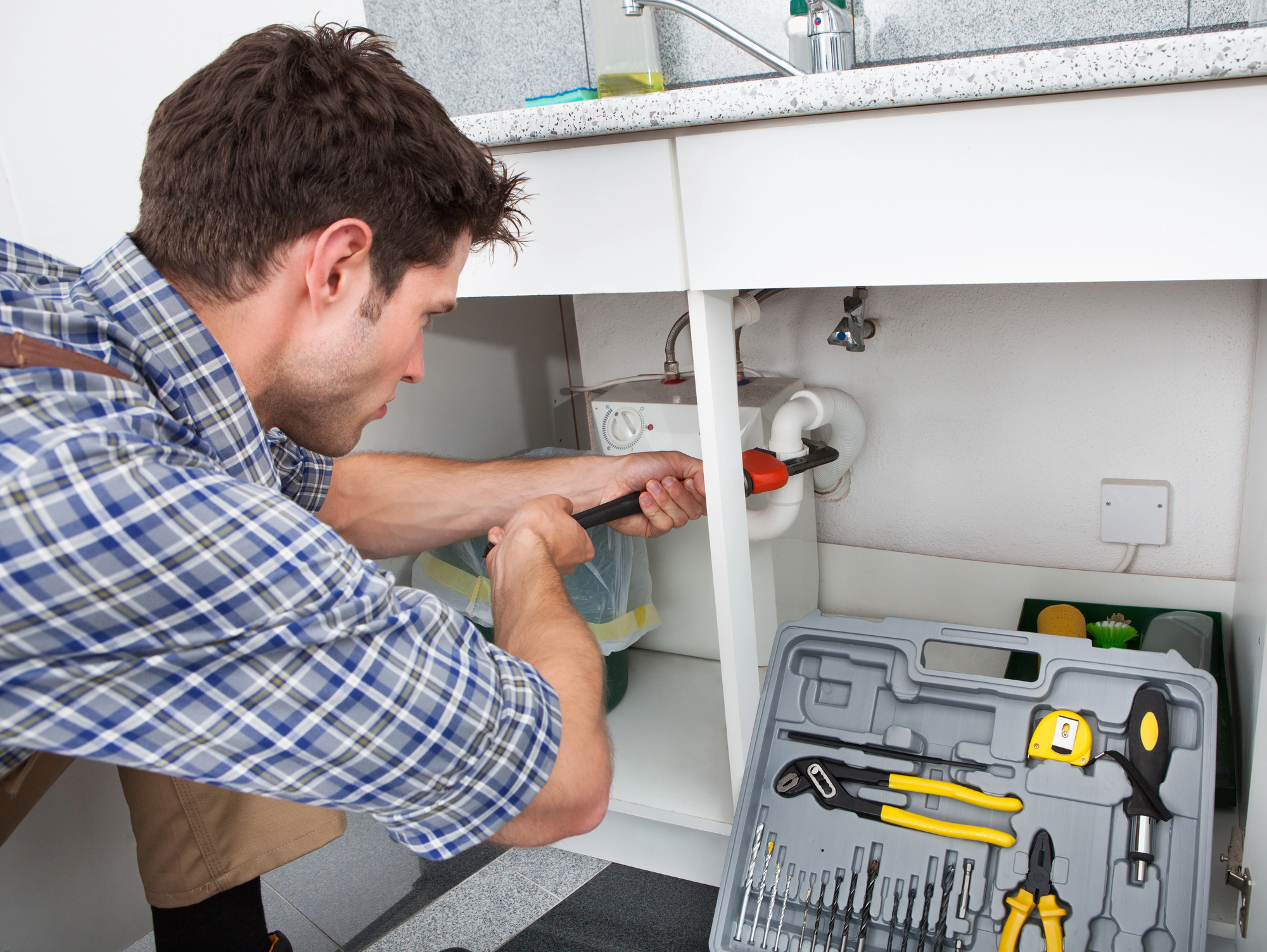
Drain health is easy to overlook until something stops draining entirely. Slow drains are rarely just a surface-level clog—they often signal deeper buildup in the main drain line or, in older Salt Lake City neighborhoods, tree root intrusion into aging clay or cast iron sewer pipes.
Electric Drain & Sewer Rooter specializes in exactly this kind of diagnostic and repair work. Using professional rooter equipment and sewer camera inspection technology, the team can identify blockages, root intrusions, and pipe damage before a full backup occurs. For homeowners in older parts of the city—particularly those with mature trees near the sewer line—an annual drain inspection is genuinely worth the investment. Catching a root intrusion early costs a fraction of what emergency sewer repair runs after a backup.
Inside the home, homeowners should periodically run water in less-used fixtures—guest bathrooms, utility sinks, and basement floor drains—to keep drain traps from drying out. A dry trap allows sewer gases to enter the living space, which is both unpleasant and a potential health hazard.
How to Protect Your Pipes Before Winter Hits
Frozen pipes are one of the most common and preventable plumbing emergencies in Salt Lake City. When water freezes inside a pipe, it expands—and that expansion can crack or burst even copper and PVC lines. The damage itself typically happens overnight, but homeowners don’t discover it until the pipe thaws and begins to leak.
Prevention is straightforward. Before the first hard freeze of the season, disconnect and drain outdoor hoses and shut off the supply valves to exterior hose bibs. Pipes that run through unheated spaces—crawl spaces, garages, or exterior walls—should be insulated with foam pipe wrap. If a prolonged cold snap is forecasted, leaving cabinet doors open under kitchen and bathroom sinks helps warm air circulate around exposed pipes.
Electric Drain & Sewer Rooter handles frozen pipe calls throughout the Salt Lake Valley, but the team will be the first to tell you that a ten-dollar roll of pipe insulation applied in October saves a far more uncomfortable conversation in February.
What Every Salt Lake City Homeowner Should Know About Water Heaters
Water heaters work harder in Salt Lake City than in many other parts of the country. The combination of cold incoming water temperatures in winter and heavy mineral content year-round accelerates sediment buildup inside the tank. That sediment sits at the bottom of the heater, acts as an insulating layer between the heating element and the water, and forces the unit to run longer to reach the same temperature. The result is higher energy bills and a shorter appliance lifespan.
Flushing the water heater tank once a year removes that sediment and restores efficiency. Homeowners who haven’t done this in several years—or who have never done it on a unit they inherited when they purchased their home—often notice an immediate improvement in hot water availability and recovery time after the first flush.
The pressure relief valve, which prevents dangerous pressure buildup inside the tank, should also be tested annually. It’s a simple check: lift the small lever on the valve briefly and confirm that water releases and stops cleanly when the lever is released. If the valve drips afterward or doesn’t release at all, it needs to be replaced.
Seasonal Outdoor Plumbing Checks That Make a Real Difference
spring plumbing
Spring is the right time to walk the perimeter of your home and assess any damage that winter may have caused. Check hose bibs for signs of cracking or weeping—even a slow drip from a hose bib can waste thousands of gallons over a season and signal that the valve seat or packing inside the fixture is damaged.
If your home has an irrigation system, spring startup is the moment to inspect each zone for broken heads, misaligned sprinklers, and leaks at the controller or backflow preventer. Salt Lake City’s drought conditions in recent years have made efficient irrigation more important than ever, and a system that’s leaking at the backflow preventer can waste water continuously without being visible from the surface.
Fall is the counterpart to spring. Irrigation systems should be professionally blown out before the ground freezes—compressed air forces water out of the lines and prevents freeze damage to lateral pipes and spray heads. Electric Drain & Sewer Rooter offers seasonal drain and sewer services that complement these exterior maintenance tasks, ensuring that both the indoor and outdoor plumbing systems are ready for whatever the Salt Lake winter brings.
Keep Your Plumbing Ahead of Problems, Not Behind Them
Home plumbing maintenance isn’t dramatic. It doesn’t involve major renovations or expensive equipment purchases. Most of it comes down to consistent attention—annual water heater flushes, pre-winter pipe inspections, periodic drain checks, and a willingness to call a professional when something doesn’t look right.
For Salt Lake City homeowners, that professional relationship matters. The city’s climate and water quality create specific challenges that benefit from local expertise. Electric Drain & Sewer Rooter has been serving the Salt Lake Valley with drain cleaning, rooter service, and sewer repair that’s built around the realities of the local environment. Reaching out before a problem becomes a crisis is always the smarter move—and usually the less expensive one, too.
If your drains are running slow, your water heater is approaching the ten-year mark, or you simply haven’t had a professional look at your sewer line in years, now is a good time to schedule a visit with Electric Drain & Sewer Rooter by calling (801) 266-8041 and get ahead of the season.