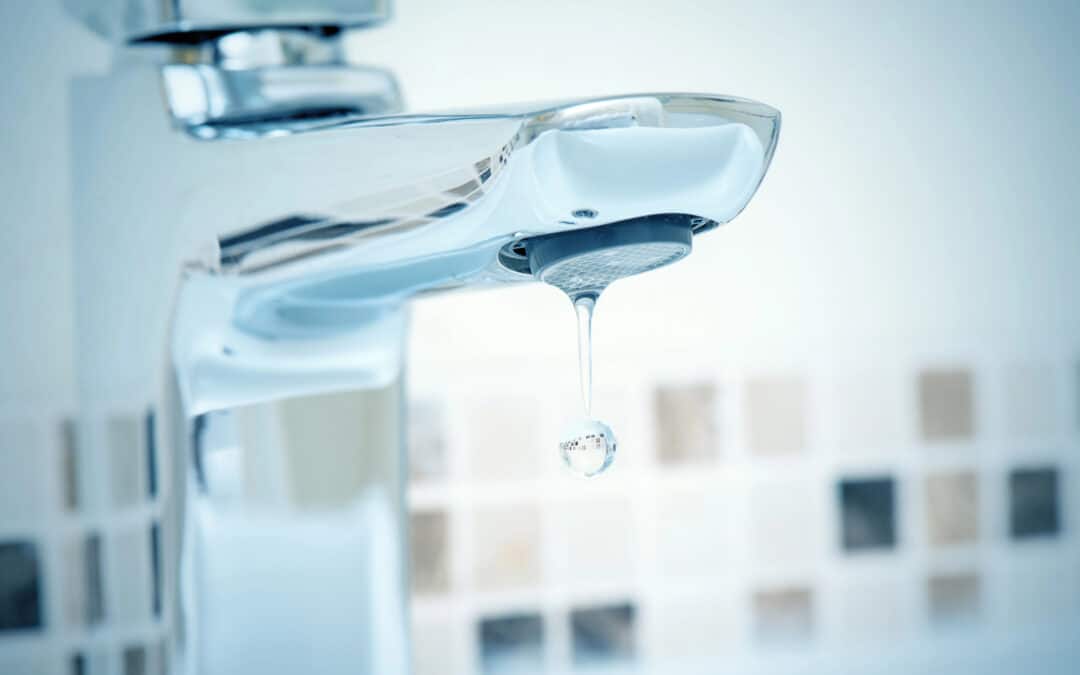
Low water pressure is typically caused by pipe corrosion, mineral buildup, hidden leaks, faulty pressure regulators, or municipal supply issues. Homeowners can often diagnose the source by checking whether the problem is isolated to one fixture or affects the entire house. For persistent or whole-home issues, a licensed plumber like Electric Drain & Sewer Rooter can pinpoint the exact cause and restore proper flow quickly.
Few things disrupt a morning routine like a shower that barely trickles or a kitchen faucet that takes forever to fill a pot. Low water pressure is one of the most common plumbing complaints, and it can stem from a surprising range of causes, some as simple as a clogged aerator and others as serious as a corroded main line. Understanding what’s behind the drop in pressure is the first step toward fixing it for good.
This guide walks through the most frequent culprits behind low water pressure and explains how professionals like the team at Electric Drain & Sewer Rooter diagnose and resolve them. Whether the issue is confined to a single faucet or affecting the whole house, there’s usually a clear explanation and a practical solution.
Why does water pressure drop in older homes?
Homes built more than a few decades ago often rely on galvanized steel piping, which corrodes from the inside out over time. As rust and mineral deposits accumulate along the interior walls of these pipes, the available space for water to flow shrinks. The result is a gradual, often unnoticed decline in pressure that homeowners tend to attribute to their water utility rather than their own plumbing.
Electric Drain & Sewer Rooter frequently encounters this issue in older neighborhoods, where decades-old piping has narrowed significantly. In many cases, the fix isn’t a quick patch but a full or partial repiping of the home. While that might sound like a major undertaking, replacing corroded galvanized pipes with modern copper or PEX piping typically resolves pressure issues permanently and also improves water quality by eliminating rust contamination.
Can a hidden leak cause low water pressure?
local, salt lake plumber
Yes, and this is one of the more concerning causes because leaks can cause structural damage if left unaddressed. When water escapes through a crack in a supply line, whether behind a wall, under a slab, or underground between the meter and the house, less water reaches the fixtures, and pressure drops accordingly. Hidden leaks often come with secondary clues such as unexplained increases in the water bill, damp spots on walls or flooring, or the sound of running water when every fixture in the house is off.
Detecting these leaks without demolition requires specialized equipment. Electric Drain & Sewer Rooter uses acoustic leak detection and video pipe inspection tools to locate the exact position of a leak before any digging or wall-cutting begins. This targeted approach minimizes repair costs and reduces the disruption to a home compared to guesswork methods.
Does mineral buildup affect water pressure?
Mineral buildup is one of the most common and most fixable causes of low water pressure. Homes on hard water supplies accumulate calcium and magnesium deposits inside pipes, faucet aerators, and showerheads. Unlike corrosion, which affects the pipe itself, mineral scale is a deposit that narrows the interior diameter of fixtures and fittings, restricting flow at the point of use.
This is usually the easiest problem to identify because it tends to affect only certain fixtures rather than the entire home. A showerhead with visible white, crusty residue is a strong indicator of scale buildup. Soaking removable fixtures in vinegar or replacing them outright often solves the problem immediately. For homes where hard water is a recurring issue throughout the plumbing system, installing a whole-house water softener addresses the root cause rather than just the symptoms.
What role does the pressure regulator play?
Most homes connected to a municipal water supply have a pressure-reducing valve, or pressure regulator, installed where the main line enters the house. This device is designed to bring high-pressure municipal water down to a safe, consistent level for household use, typically between 40 and 60 psi. When a regulator fails, it can either restrict flow too much, causing low pressure throughout the house, or fail to regulate at all, leading to pressure spikes that stress pipes and appliances.
A failing regulator is one of the few causes of low water pressure that affects every fixture simultaneously and consistently, regardless of which tap is turned on. Testing the regulator with a pressure gauge attached to an outdoor spigot can confirm whether it’s operating within the expected range. If it isn’t, Electric Drain & Sewer Rooter can replace the valve, a repair that’s usually straightforward for a licensed plumber but not recommended as a DIY project given the risk of water damage if installed incorrectly.
Could the problem be coming from the municipal supply itself?
Not every case of low water pressure originates inside the home. Municipal water systems occasionally experience their own pressure fluctuations due to high demand periods, nearby construction, water main repairs, or aging city infrastructure. If neighbors report similar pressure problems around the same time, the municipal supply is a likely suspect rather than anything specific to one property.
In these situations, contacting the local water utility is the appropriate first step. If the utility confirms normal pressure at the street but the problem persists inside the home, that points back to an internal issue such as a partially closed shutoff valve, a clogged pipe segment, or one of the causes described above.
When should a plumber get involved?
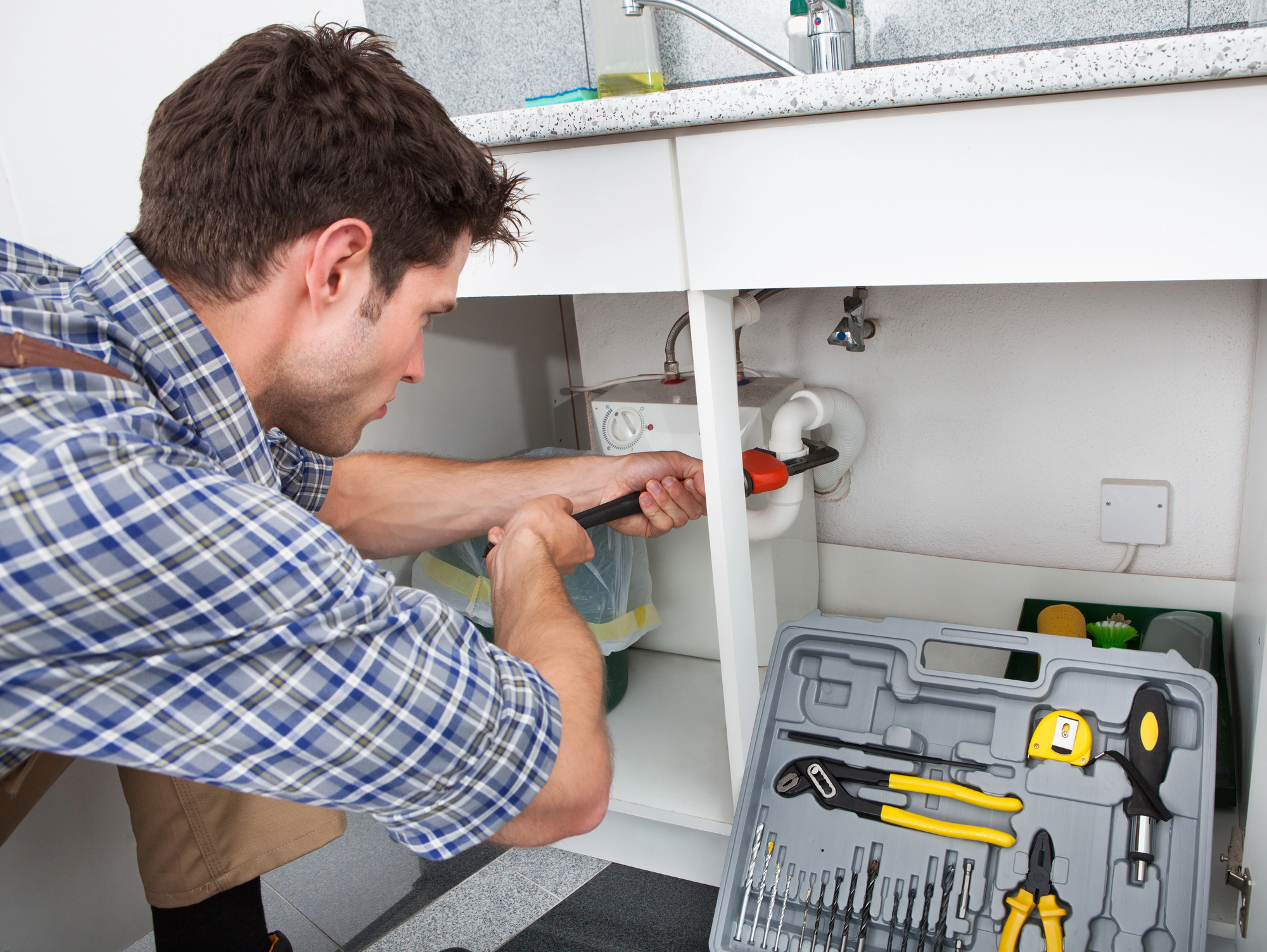
Some low water pressure fixes are well within reach for a confident homeowner, such as cleaning a clogged aerator or descaling a showerhead. But when pressure loss affects the entire home, comes on suddenly, or is accompanied by signs of a leak, professional diagnosis becomes important. Attempting to repipe a section of a home or replace a pressure regulator without the right experience can lead to costly water damage.
Electric Drain & Sewer Rooter approaches every low water pressure call by first ruling out the simplest explanations before moving to more invasive inspection methods. This step-by-step process avoids unnecessary repairs and ensures the actual cause gets fixed rather than just the symptoms. For homeowners dealing with a persistent or unexplained drop in pressure, scheduling an inspection sooner rather than later can prevent a minor issue from becoming a major repair.
Restoring reliable water pressure for good
Low water pressure rarely fixes itself, and ignoring it can allow underlying issues like corrosion or hidden leaks to worsen over time. Identifying whether the problem is isolated to one fixture or affecting the whole house is the quickest way to narrow down the cause. From there, simple maintenance like descaling a showerhead might solve the issue, or a deeper investigation into piping, regulators, or leaks might be necessary.
For homeowners who have ruled out the easy fixes and are still dealing with weak flow, reaching out to a trusted plumbing team makes the difference between guessing and knowing. Electric Drain & Sewer Rooter has the diagnostic tools and experience to identify the exact cause of low water pressure and resolve it with a lasting repair, not a temporary patch. Reach out by calling (801) 266-8041.